Introduction
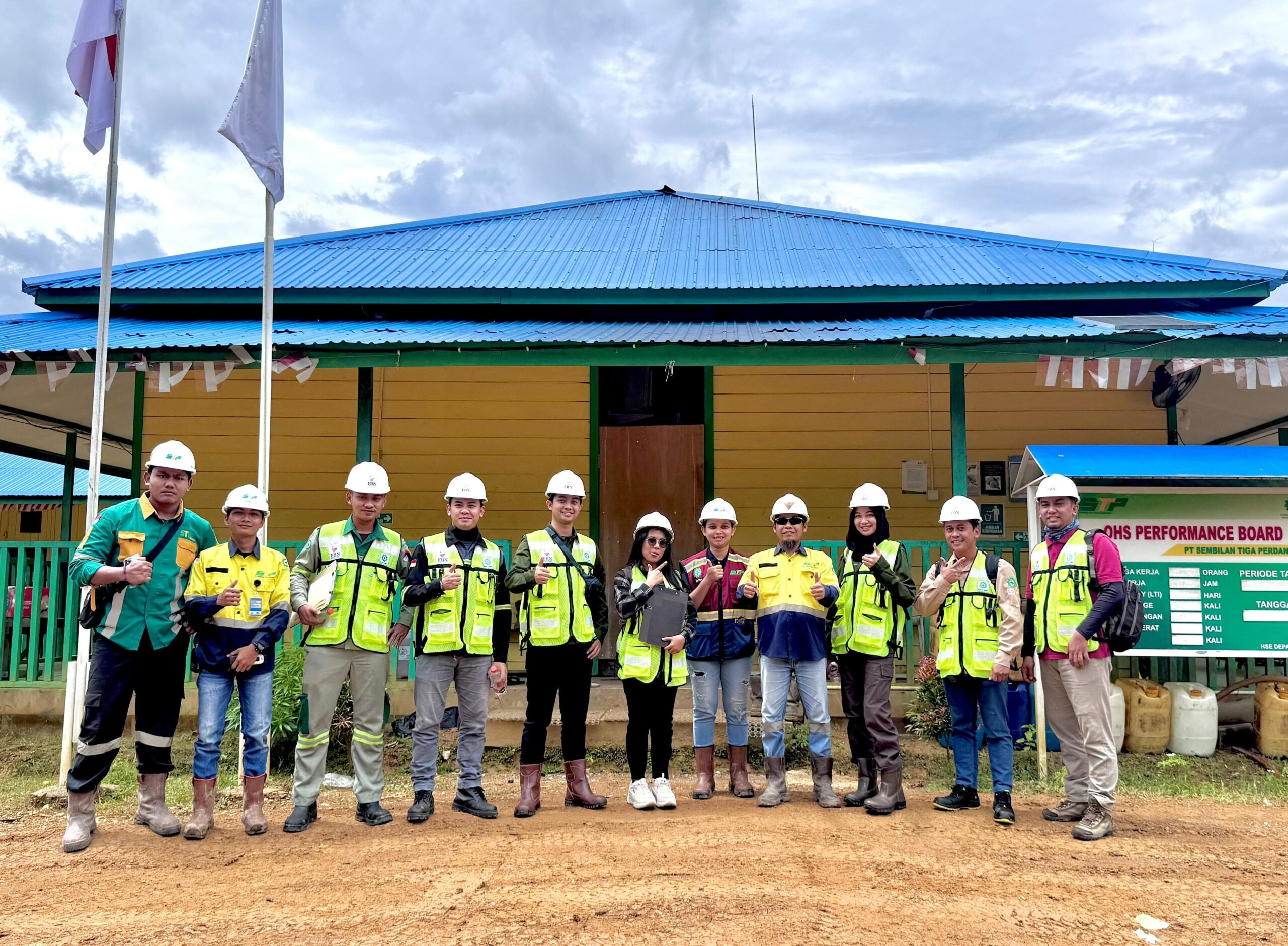
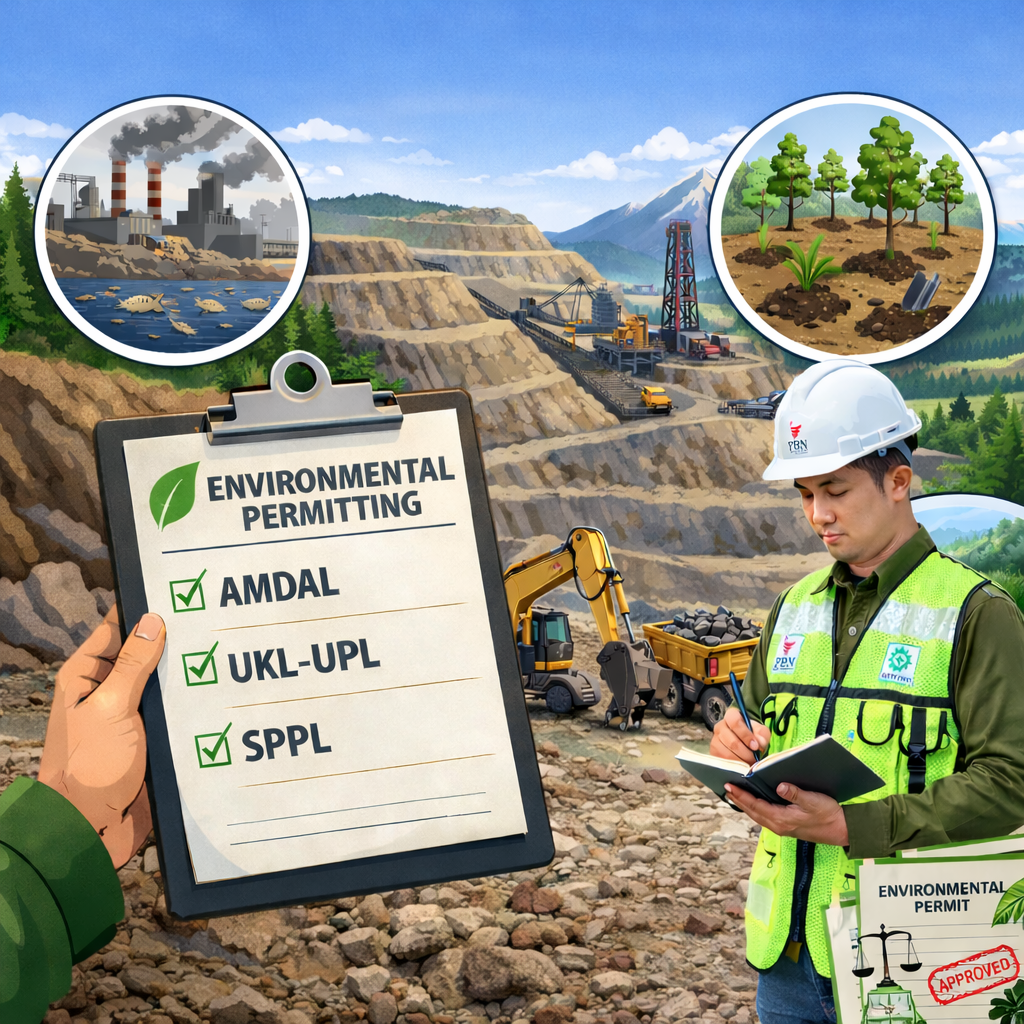
In order to support the administrative process for obtaining the Wastewater Quality Standard Technical Approval (Pertek BMAL), In order to support the administrative requirements of PT Sembilan Tiga Perdana, PT Fijar Bara Nusantara as the environmental consultant for PT Sembilan Tiga Perdana, conducted environmental sampling activities within the company’s operational area located in Kapuas Hulu District, Kapuas Regency, Central Kalimantan Province.
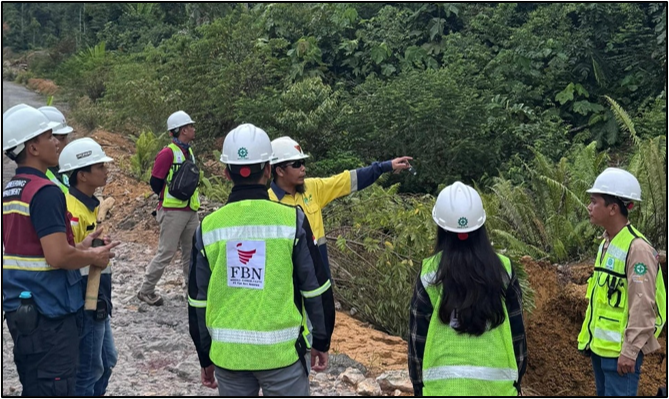
The environmental sampling activities aimed to obtain existing environmental condition data as the basis for evaluating environmental quality around the company’s operational area. In addition, these activities also constitute an important part of fulfilling environmental management and monitoring requirements in accordance with applicable laws and regulations.
The sampling activities were carried out systematically using methods and equipment that comply with environmental testing technical standards. The tested parameters included ambient air quality, noise levels, surface water quality, groundwater quality, aquatic biota conditions, and environmental vibration levels.
Ambient Air Quality Testing
Ambient air quality testing is an activity conducted to monitor air quality in open environments in order to determine the concentration of air pollutant parameters that may affect human health and the environment. Ambient air is defined as free air at the earth’s surface within the troposphere layer located outside working areas. Ambient air quality testing was conducted to determine air quality conditions around the company’s operational area. Sampling was carried out using a High Volume Air Sampler (HVAS) and impinger at several predetermined monitoring points.
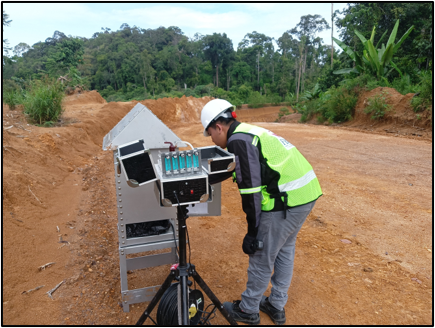
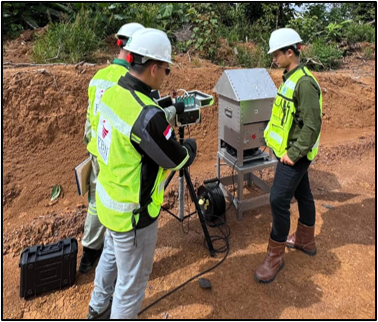
The HVAS was used to collect particulate matter in ambient air, while the impinger was used to absorb specific gaseous parameters present in the air. This testing refers to Lampiran VII Peraturan Pemerintah Nomor 22 Tahun 2021 concerning Environmental Protection and Management Implementation related to Ambient Air Quality Standards.
The tested parameters included Sulfur Dioxide (SO₂), Carbon Monoxide (CO), Nitrogen Dioxide (NO₂), Oxidant (O₃), Non-Methane Hydrocarbon (NMHC), Total Suspended Particulate (TSP), Particulate Matter (PM10), Particulate Matter (PM2.5), and Lead (Pb). The test results will subsequently be analyzed in the laboratory to determine pollutant concentration levels and compared with the applicable quality standards.
Noise Level Testing
Noise is defined as unwanted sound which, at certain levels and durations, may cause disturbances to health, comfort, and the environment. Noise measurements are conducted to determine sound intensity generated by operational activities and its impact on the surrounding environment. Noise level measurements were conducted using a multimeter or sound level meter at several monitoring points within the activity area and surrounding environment.
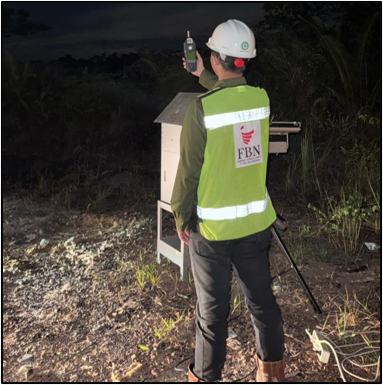
This testing aimed to determine sound pressure levels generated by the company’s operational activities and evaluate their compliance with applicable environmental noise quality standards. The measurements were conducted in accordance with Keputusan Menteri Lingkungan Hidup Nomor 48 Tahun 1996 concerning Noise Level Quality Standards.
Surface Water Analysis
Surface water refers to water located above the ground surface such as rivers, lakes, swamps, and other water bodies. Surface water analysis is conducted to determine water quality conditions based on physical, chemical, and biological parameters as indicators of environmental quality. Surface water sampling was conducted from water bodies surrounding the activity area using a set of water sampling equipment.
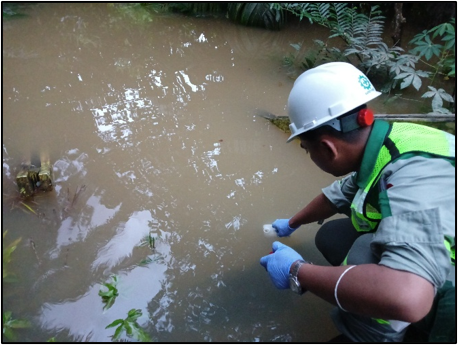
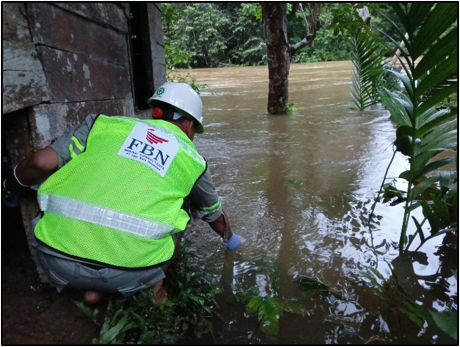
This surface water quality testing refers to Lampiran VI Peraturan Pemerintah Nomor 22 Tahun 2021 concerning River Water Quality Standards. The collected samples were subsequently analyzed in the laboratory to determine water quality conditions based on physical, chemical, and other supporting parameters.
The tested parameters included Temperature, Total Dissolved Solids (TDS), Total Suspended Solids (TSS), Color, pH, Biochemical Oxygen Demand (BOD₅), Chemical Oxygen Demand (COD), Dissolved Oxygen (DO), Sulphate (SO₄²⁻), Chloride (Cl⁻), Nitrate (NO₃-N), Nitrite (NO₂-N), Ammonia (NH₃-N), Total Nitrogen, Total Phosphate (P), Fluoride (F⁻), Sulfide (H₂S), Cyanide (CN⁻), Free Chlorine (Cl₂), Dissolved Boron (B), Dissolved Mercury (Hg), Dissolved Arsenic (As), Dissolved Selenium (Se), Dissolved Cadmium (Cd), Dissolved Cobalt (Co), Dissolved Nickel (Ni), Dissolved Zinc (Zn), Dissolved Copper (Cu), Dissolved Lead (Pb), Hexavalent Chromium (Cr⁶⁺), Oil & Grease (OG), Total Surfactant (MBAS), Phenol, Fecal Coliform, Total Coliform, Dissolved Iron (Fe), Dissolved Manganese (Mn), and Floatables. This activity aimed to evaluate the quality of water bodies surrounding the company’s operational area and ensure compliance with applicable quality standards.
Groundwater Analysis
Groundwater is water stored within soil or rock layers beneath the earth’s surface, filling pore spaces and rock fractures. Groundwater analysis is conducted to determine water quality based on physical, chemical, and microbiological parameters. In addition to surface water, groundwater sampling was also conducted using a water sampling equipment set at predetermined groundwater source points.
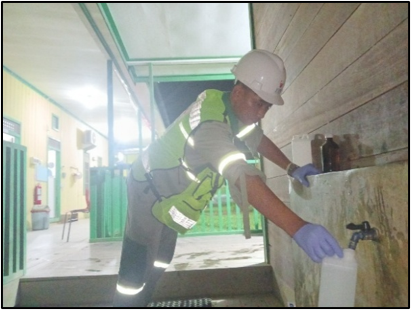
Groundwater quality testing refers to Minister of Health Regulation Number 2 of 2023 concerning Clean Water Quality Standards. The tested parameters included temperature, Total Dissolved Solids (TDS), turbidity, color, odor, E. Coli, total coliform bacteria, pH, nitrate as N (NO₃-N), nitrite as N (NO₂-N), Hexavalent Chromium (Cr⁶⁺), Iron (Fe), and Manganese (Mn). Through this testing, the groundwater quality conditions surrounding the company’s operational area are expected to be identified as part of environmental monitoring activities.
Aquatic Biota Testing (Plankton and Benthos)
Aquatic biota are organisms that live in aquatic environments and can be used as biological indicators of environmental quality. Plankton and benthos reflect ecosystem conditions as well as pollution levels within a water body. Aquatic biota testing was conducted to assess aquatic ecosystem conditions through the identification of plankton and benthic organisms.
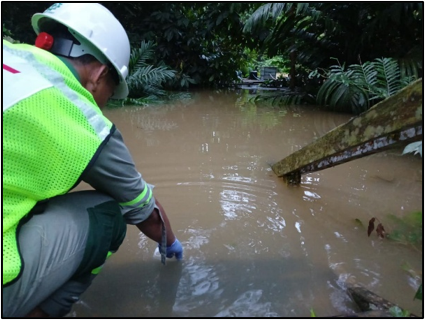
Plankton sampling was conducted using a plankton net, while benthos sampling was carried out at predetermined aquatic observation points according to field conditions. The presence and diversity of plankton and benthos serve as important biological indicators in assessing the quality of aquatic environments surrounding the company’s operational area.
Vibration Testing
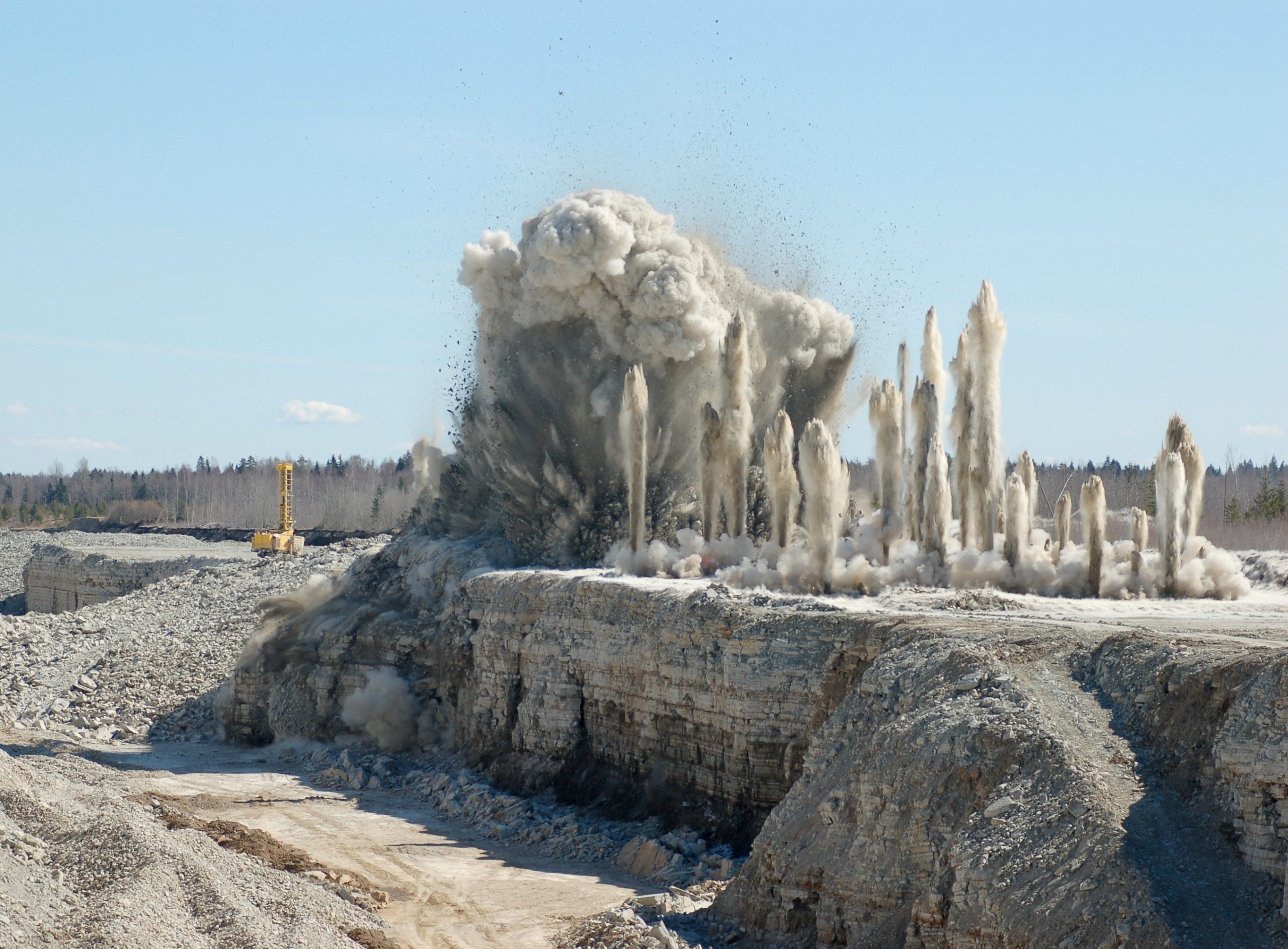
Vibration is defined as the back-and-forth movement of an object from its equilibrium position due to mechanical forces. Vibration measurements are conducted to determine vibration levels generated by operational activities and their impacts on the surrounding environment. Vibration level measurements were conducted using a vibration meter at several monitoring points within the company’s operational area.
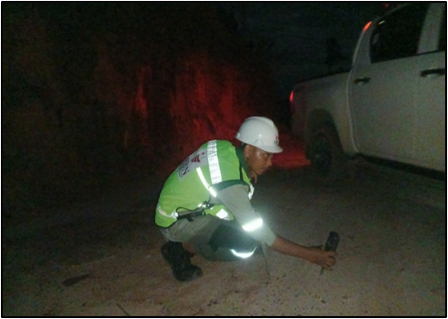
This testing aimed to determine vibration levels generated by operational activities so that their impacts on the surrounding environment and community comfort could be evaluated. The measurements were conducted in accordance with environmental testing technical standards by considering field conditions and existing activity sources.
Conclusion
The environmental sampling activities conducted at PT Sembilan Tiga Perdana constitute an important part of supporting the company’s environmental management and monitoring processes. All testing activities were carried out systematically and in accordance with technical procedures to obtain accurate, representative, and accountable environmental data.
The resulting data will subsequently be used as supporting material for the company’s administrative requirements, thereby ensuring that the company’s operational activities continue while maintaining sustainable environmental protection and management practices.
References
Barus, T.A. 2004. Introduction to Limnology: Study of Inland Water Ecosystems. Sumatra Biology Journal, Vol. 3 No. 2.
Buchari. 2007. Industrial Noise and Hearing Conservation Program. University of North Sumatra Journal, Vol. 2 No. 1.
Effendi, H. 2003. Water Quality Assessment for Water Resource and Aquatic Environmental Management. Journal of Natural Resources and Environmental Management, Vol. 1 No. 1.
Government of the Republic of Indonesia. 2021. Peraturan Pemerintah Nomor 22 Tahun 2021 tentang Penyelenggaraan Perlindungan dan Pengelolaan Lingkungan Hidup.
Minister of Environment of the Republic of Indonesia. 1996. Keputusan Menteri Lingkungan Hidup Nomor 48 Tahun 1996 tentang Baku Mutu Tingkat Kebisingan.
Minister of Health of the Republic of Indonesia. 2023. Peraturan Menteri Kesehatan Nomor 2 Tahun 2023 tentang Peraturan Pelaksanaan Peraturan Pemerintah Nomor 66 Tahun 2014 tentang Kesehatan Lingkungan.
Mukono, H.J. 2008. Air Pollution and Its Effects on Respiratory Disorders. Journal of Environmental Health, Vol. 4 No. 1.
Ramdan, I.M. 2019. Industrial Hygiene and Physical Factors of the Work Environment. Indonesian Journal of Environmental Health, Vol. 18 No. 1.
Sutrisno, T. and Suciastuti, E. 2010. Clean Water Supply Technology. Journal of Environmental Technology, Vol. 6 No. 2.